Talltype Font Evaluation
In the landscape of digital typography, selecting the right typeface is a critical decision that influences brand identity, user experience, and overall aesthetic cohesion. Among the growing array of display fonts available to designers, Talltype has emerged as a distinctive option for those seeking a bold, robotic, and futuristic visual language. This evaluation explores the characteristics, applications, and strategic considerations of using Talltype in modern design projects.
Understanding Talltype’s Design Identity
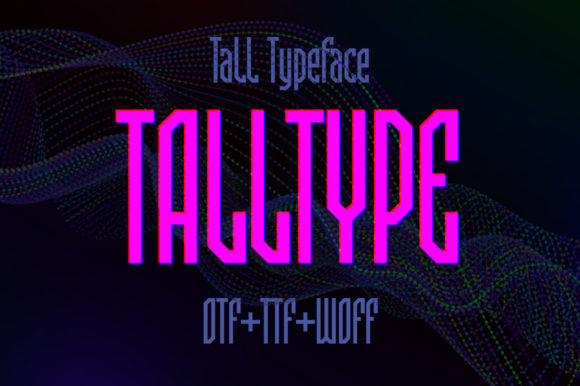
Talltype is categorized primarily as a display font, meaning it is designed to be used at larger sizes rather than for extended body text. Its defining characteristic is its vertical emphasis; the letterforms are elongated, creating a sense of height and structural rigidity. This geometric construction gives the font a distinctly mechanical appearance, evoking imagery associated with robotics, cybernetics, and advanced technology.
The aesthetic of Talltype is not merely decorative but functional in its communication. It conveys precision, innovation, and forward-thinking. The sharp angles and uniform stroke weights contribute to a clean, uncluttered look that stands out against more organic or traditional serif and sans-serif typefaces. For designers working on projects that require an immediate impact, Talltype offers a visual shorthand for "future" and "technology" without relying on clichéd sci-fi tropes.
Strategic Applications and Use Cases
While Talltype is versatile within its niche, its specific stylistic traits make it particularly well-suited for certain types of media and industries. Understanding where this font thrives helps designers maximize its potential while avoiding misuse.
Web Design and Digital Interfaces
In web design, first impressions are formed in milliseconds. Talltype can serve as a powerful headline font for landing pages, portfolio sites, or tech-focused blogs. Its high legibility at large sizes ensures that key messages are communicated instantly. When paired with minimalist layouts and ample white space, Talltype enhances the modern feel of a website. However, due to its aggressive style, it should be used sparingly. Overusing Talltype for navigation menus or paragraph text can lead to visual fatigue and reduced readability.
Business Cards and Print Collateral
For creative agencies, tech startups, or engineering firms, business cards are a tangible extension of brand identity. Talltype adds a layer of sophistication and edge to printed materials. Its bold presence ensures that contact information or company names grab attention even in a stack of cards. The font’s futuristic vibe aligns well with brands that want to position themselves as industry leaders or innovators. Pairing Talltype with high-quality paper stocks and spot UV finishes can further elevate the tactile experience of the card.
Branding and Logo Design
Logo design often requires a unique typographic signature. Talltype’s distinctive shape can provide a memorable mark for brands in sectors such as gaming, software development, automotive technology, or fashion. The font’s robotic nature suggests reliability and precision, qualities that are valuable in these fields. Designers should consider how the font scales across different mediums, ensuring that the intricate details of the letterforms remain clear whether viewed on a mobile screen or a billboard.
Benefits of Choosing Talltype
Selecting Talltype offers several advantages for designers aiming to create a specific mood or atmosphere:
- Immediate Visual Impact: The bold and tall proportions of the letters command attention. This makes it an excellent choice for headlines where grabbing the viewer’s eye is the primary goal.
- Modern Aesthetic: Talltype inherently communicates a contemporary and tech-savvy image. It helps brands stay relevant in fast-moving industries by signaling adaptability and innovation.
- Versatility in Pairing: Despite its strong personality, Talltype pairs well with simple, neutral sans-serif fonts for body text. This contrast allows the display font to shine while maintaining readability in longer passages.
- Brand Differentiation: In a market saturated with standard Helvetica or Arial alternatives, Talltype offers a distinct alternative that sets a brand apart from competitors who may be using more conventional typefaces.
Tradeoffs and Considerations
No single typeface is suitable for every context. Designers must weigh the benefits of Talltype against potential limitations to ensure it aligns with their project goals.
Readability Constraints
As a display font, Talltype is not intended for long-form reading. Its exaggerated proportions and rigid structure can make paragraphs difficult to scan and comprehend. Using Talltype for body copy can hinder user experience, leading to higher bounce rates on websites or decreased engagement with printed materials. It is crucial to reserve Talltype for short bursts of text, such as titles, subtitles, and call-to-action buttons.
Niche Appeal
The futuristic and robotic theme of Talltype may not resonate with all audiences. Brands in industries such as healthcare, education, or traditional finance might find the font too aggressive or cold. In these contexts, a warmer or more approachable typeface might better convey trust and empathy. Designers must carefully consider the emotional tone they wish to evoke and whether Talltype supports or undermines that message.
Kerning and Spacing
Due to its unique geometry, Talltype may require careful adjustment of kerning (the spacing between individual letters) and tracking (the spacing between groups of letters). Without proper spacing, the letters may appear cramped or disjointed, detracting from the intended sleekness. Designers should invest time in fine-tuning these parameters to achieve optimal visual balance.
Alternatives and Comparative Insights
If Talltype does not fully meet the needs of a project, several alternatives exist that offer similar vibes with different nuances. Fonts like Orbitron or Rajdhani also provide a futuristic, tech-oriented aesthetic. Orbitron, for instance, has a more rounded, friendly take on sci-fi typography, making it suitable for brands that want to appear innovative yet approachable. Rajdhani offers a slightly more technical and structured look, which might appeal to engineering or data-driven companies.
For those seeking a less aggressive option, Exo 2 provides a modern, geometric sans-serif style that retains a futuristic feel without the extreme verticality of Talltype. This font is more versatile for both display and body text, offering greater flexibility in layout design.
Decision-Making Framework
To determine if Talltype is the right choice for your project, consider the following questions:
- What is the primary purpose of the text? If it is for headlines or logos, Talltype is a strong candidate. If it is for detailed explanations, a more readable font is preferable.
- Who is the target audience? Evaluate whether the audience values cutting-edge technology and bold design or prefers tradition and warmth.
- Does the brand voice align with the font’s personality? Talltype suits brands that are direct, precise, and forward-looking. It may clash with brands that emphasize heritage, comfort, or organic values.
- How will the font be used in conjunction with other elements? Ensure that Talltype complements the color palette, imagery, and overall layout without overwhelming them.
Conclusion
Talltype is a specialized tool in the designer’s toolkit, offering a bold and futuristic aesthetic that can significantly enhance visual communication when used correctly. Its strength lies in its ability to convey modernity and precision through striking vertical forms. However, its effectiveness depends on thoughtful application, respecting its limitations in readability and contextual appropriateness.
By understanding the specific strengths and tradeoffs of Talltype, designers can make informed decisions that align with their brand goals and audience expectations. Whether used for web designs, business cards, or branding materials, Talltype can add a distinctive touch that captures attention and communicates a clear, innovative message. As with any design element, the key to success lies in balance, intentionality, and a deep understanding of the context in which the font will be viewed.