Helight Font Evaluation: A Versatile Trio for Modern Design
In the competitive landscape of graphic design, typography serves as the foundational voice of visual communication. When selecting a typeface, designers must balance aesthetic appeal with functional utility. Helight emerges as a distinct option in this space, offering a unique combination of script, dingbat, and display elements within a single package. This evaluation explores the characteristics, applications, and practical considerations of using Helight for poster, flyer, and print projects.
Understanding the Helight Typeface Architecture
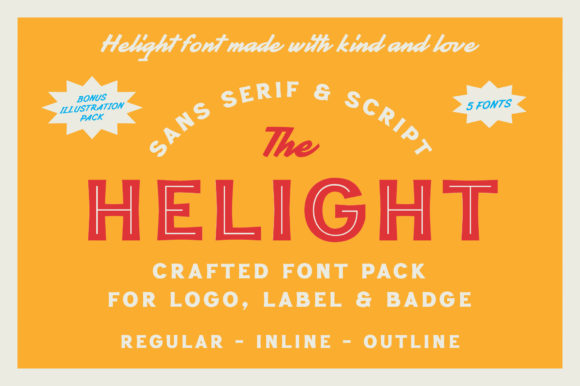
Helight is not merely a standard font family; it is structured as a trio system that integrates three distinct typographic functions. This multi-faceted approach allows designers to achieve a cohesive yet dynamic look without relying on external assets or complex layering techniques. The core components include:
- Script Elements: These provide fluidity and elegance, mimicking the organic flow of handwritten calligraphy. They are ideal for conveying personal touch, sophistication, or artistic flair.
- Dingbats: Integrated symbols and icons add visual interest and structural support. These elements can break up text blocks, serve as bullet points, or act as decorative accents that reinforce the theme of the design.
- Display Characters: Bold, attention-grabbing glyphs designed for headlines and large-format text. These characters ensure legibility from a distance while maintaining the stylistic integrity of the script and dingbat components.
This integrated structure means that Helight is designed to work harmoniously together. Unlike mixing disparate fonts, which can lead to visual clutter, Helight ensures that the script, symbols, and display text share consistent stroke weights, x-heights, and stylistic nuances.
Primary Applications and Use Cases
The versatility of Helight makes it particularly suitable for specific types of print media where immediate visual impact is crucial. Its design language suggests several strong use cases:
Event Posters and Flyers
For events such as galas, concerts, art exhibitions, or corporate launches, Helight offers a ready-made solution for hierarchy. The display characters can anchor the headline, drawing the viewer’s eye, while the script elements can be used for dates, venues, or taglines to add a sense of occasion. The included dingbats can serve as dividers between sections or highlight key information, reducing the need for additional graphical elements.
Brand Identity and Packaging
Brands seeking a blend of modern edge and classic elegance may find Helight useful for logo construction or packaging labels. The script component adds a humanizing element, suggesting craftsmanship or exclusivity, while the display font provides stability and readability. However, careful consideration must be given to the context; this font may not suit minimalist or strictly corporate identities that require neutral, sans-serif clarity.
Social Media Graphics
While primarily noted for print, Helight’s high-contrast nature translates well to digital posters and social media banners. The bold display letters stand out against busy backgrounds, and the script elements add a layer of personality that engages users scrolling through feeds.
Evaluating Benefits and Tradeoffs
When considering Helight for a project, it is essential to weigh its advantages against potential limitations. A balanced assessment helps determine if it aligns with specific project goals.
Benefits
- Cohesive Design System: The greatest advantage of Helight is its all-in-one nature. Designers save time by not needing to source complementary fonts. The visual harmony between the script, dingbats, and display fonts reduces the cognitive load on the viewer, creating a polished final product.
- Visual Impact: The "stunning" quality mentioned in its description stems from its high contrast and expressive forms. It commands attention, making it effective for short-form messaging where readability at a glance is paramount.
- Creative Flexibility: The inclusion of dingbats expands the creative toolkit. Designers can use these symbols to create custom lists, borders, or thematic decorations without breaking the typographic flow.
Tradeoffs and Considerations
Despite its strengths, Helight is not a universal solution. Several factors should influence the decision to use it:
- Legibility Constraints: Script fonts, by nature, can be difficult to read in long passages. Helight is best reserved for headlines, titles, and short phrases. Using it for body copy will likely result in poor user experience and reduced comprehension.
- Niche Aesthetic: The style of Helight leans towards decorative and expressive. It may clash with brands or projects that prioritize minimalism, neutrality, or strict grid-based layouts. In such contexts, a more restrained typeface would be more appropriate.
- Licensing and Compatibility: As with any specialized font, designers must verify licensing terms, especially for commercial print runs. Additionally, ensuring that the font files are properly installed and compatible with various design software versions is a necessary technical step.
Decision-Making Insights: Is Helight Right for You?
Selecting the right typography depends on the specific objectives of the design project. To help determine if Helight is the correct choice, consider the following questions:
Does the Project Require High Visual Hierarchy?
If the goal is to create a poster or flyer where the headline needs to stop the viewer in their tracks, Helight’s display and script components are strong candidates. If the project relies on dense text and detailed information, a more readable serif or sans-serif font should be prioritized, potentially using Helight only for small accent details.
Is Consistency Across Assets Important?
For campaigns that span multiple formats (e.g., a banner ad, a printed invitation, and a social media post), Helight’s unified character set ensures brand consistency. This reduces the risk of mismatched styles and streamlines the production process.
What Is the Desired Tone?
Helight conveys creativity, energy, and perhaps a touch of retro or vintage charm depending on the specific glyph variations. If the desired tone is professional, serious, or understated, alternatives like clean geometric sans-serifs might be more suitable. If the tone is celebratory, artistic, or bold, Helight aligns well with those attributes.
Exploring Alternatives
While Helight offers a compelling package, it is part of a broader ecosystem of display and script fonts. Designers evaluating options might also consider:
- Pure Script Fonts: If the dingbats are not needed, dedicated script families may offer more extensive character sets and better kerning for longer text snippets.
- Modular Display Systems: Some modern display fonts come with built-in alternates and ligatures that mimic the functionality of dingbats without requiring a separate font file.
- Variable Fonts: For greater control over weight and width, variable fonts provide flexibility that static font files like Helight may lack.
Conclusion
Helight represents a strategic tool for designers looking to enhance their print and digital materials with a cohesive, visually striking type system. Its integration of script, dingbats, and display elements offers efficiency and aesthetic unity, particularly for posters, flyers, and promotional materials. However, its effectiveness is contingent on appropriate application—best suited for headlines and accents rather than body text—and alignment with the project’s overall tone. By understanding its strengths and limitations, designers can make informed decisions that leverage Helight’s capabilities to create stunning, effective communications.