Grid Alternate: The Pixelated Display Font for Bold, Trendy Design
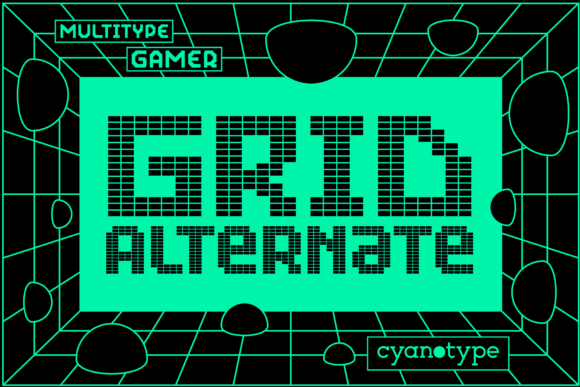
In a digital landscape saturated with clean sans-serifs and elegant serifs, standing out requires a deliberate departure from the ordinary. This is where Grid Alternate steps in. It is not just another typeface; it is a statement piece defined by its unique, pixelated geometry and distinctively cool aesthetic. Designed for those who want to inject a distorted, trendy touch into their visual identity, this font bridges the gap between retro gaming nostalgia and contemporary brutalist design trends.
Whether you are crafting a brand identity for a tech startup, designing packaging for a limited-edition sneaker drop, or creating social media graphics that need to stop the scroll, Grid Alternate offers a versatile yet highly specific solution. Its PUA (Private Use Area) encoding ensures that every glyph, swash, and stylistic alternate is accessible directly from your keyboard, streamlining your workflow without sacrificing creative control.
Visual Characteristics and Personality
To understand why Grid Alternate works, you must first look at what it is. Visually, it is a display font that mimics the blocky, low-resolution aesthetic of early computer graphics, but with a polished, modern finish. Unlike crude bitmap fonts that can feel dated or hard to read, Grid Alternate maintains sharp edges and consistent spacing, giving it a professional sheen despite its playful roots.
The personality of the font is undeniably bold. It carries an energy that is both nostalgic and futuristic. When you use Grid Alternate, you are signaling that your project is edgy, innovative, and unafraid to break conventional rules. It has a "distorted" quality—not in the sense of being broken, but in the way it plays with expectation. The pixelation adds texture to text, making even simple headlines feel like complex design assets.
This font does not whisper; it shouts. However, because it is carefully constructed, it shouts in a controlled manner. It avoids the chaotic feel of some hand-drawn or overly decorative script fonts, offering instead a structured rigidity that appeals to designers who value precision alongside creativity. The inclusion of swashes allows you to add flair without leaving the grid, maintaining visual harmony while introducing dynamic movement.
Where Grid Alternate Fits Best
Not every project calls for a pixelated display font, but when it does, the impact is immediate. Here is how professionals across various fields are leveraging Grid Alternate in real-world scenarios:
- Logo Design and Brand Identity: For brands targeting Gen Z or millennial audiences interested in gaming, tech, or streetwear, Grid Alternate provides instant recognition. It pairs exceptionally well with minimalist sans serif fonts for body text, creating a striking contrast that defines a modern brand hierarchy.
- Social Media Graphics: In the fast-paced world of Instagram and TikTok, static images need to grab attention instantly. The high-contrast nature of pixelated text cuts through cluttered feeds. Use Grid Alternate for key quotes, event dates, or promotional headers to create visually arresting posts.
- Packaging Design: Imagine a craft beer label, a video game accessory box, or a limited-run fashion item. Grid Alternate brings a tactile, almost industrial feel to packaging. It suggests durability and innovation, qualities that resonate with consumers looking for premium products.
- Web Design and Editorial Layouts: While readability is paramount for long-form content, Grid Alternate shines as a hero font on landing pages. It sets the tone for editorial designs that focus on pop culture, technology, or urban lifestyle topics. It acts as a creative font that anchors the layout, allowing other elements to breathe around it.
It is also worth noting that Grid Alternate is a commercial font, meaning it is licensed for professional use. This makes it a safe and valuable addition to your design assets library, ensuring you can use it in client projects, merchandise, and marketing materials without legal ambiguity.
Impact on Readability and Visual Hierarchy
One common concern with display fonts is legibility. Does the pixelation hinder reading? In the case of Grid Alternate, the answer is nuanced. As a display font, it is intended for short bursts of text—headlines, titles, logos, and slogans—rather than paragraphs of body copy. When used correctly, it enhances visual hierarchy by clearly demarcating sections of importance.
The geometric nature of the font creates strong vertical and horizontal lines, which guide the eye naturally across the page. This structural integrity helps maintain professionalism, preventing the design from feeling too casual or messy. By contrasting Grid Alternate with a clean, neutral sans serif font for supporting text, you create a clear distinction between the "hook" and the "message." This technique boosts audience engagement by making key information stand out immediately.
Furthermore, the PUA encoding feature significantly improves usability. You do not need to hunt through character maps or switch tools to access special glyphs. This ease of access encourages experimentation, allowing designers to quickly test different combinations of swashes and symbols. This flexibility contributes to a more fluid creative process, resulting in designs that feel intentional rather than forced.
Practical Guidance for Implementation
Integrating Grid Alternate into your workflow requires thoughtful consideration. Here are practical steps to ensure you get the most out of this typeface:
- Evaluate Project Fit: Before committing, ask if the tone of your project aligns with the font’s personality. Is it bold? Edgy? Tech-focused? If your brand relies on softness, tradition, or subtlety, Grid Alternate may be too aggressive. It is best suited for projects that embrace modern typography and disruptive aesthetics.
- Test Font Pairings: The success of Grid Alternate often depends on its partner. Avoid pairing it with other busy or decorative fonts. Instead, opt for a simple, highly readable sans serif font for body text. This balance ensures that the pixelated headline commands attention without overwhelming the viewer. You might also experiment with a thin serif font for a juxtaposition of old and new, though this requires careful spacing adjustments.
- Review Included Styles: Take time to explore all the glyphs available via PUA encoding. Swashes and alternates can transform a standard word into a logo-like mark. Use these sparingly to highlight specific letters or words, adding a layer of sophistication to your design.
- Consider Scale and Context: Pixelated fonts can lose their charm if scaled too small. Ensure that Grid Alternate is used at sizes where the individual pixels are visible and distinct. On mobile devices, verify that the text remains legible and impactful at smaller viewports.
- Check Licensing Requirements: As a commercial font, always adhere to the license terms. Whether you are using it for personal blogs or large-scale advertising campaigns, understanding the scope of your license protects your work and respects the designer’s rights.
Ultimately, Grid Alternate is more than a font choice; it is a strategic design decision. It speaks to an audience that values authenticity, creativity, and a touch of rebellion. By incorporating this unique typeface into your projects, you signal that you are in tune with current design trends while maintaining a high standard of craftsmanship. Whether you are a seasoned graphic designer or a small business owner looking to elevate your brand presence, Grid Alternate offers a powerful tool to make your message unforgettable.