Evaluating Gamer Inline Squares: A Practical Guide to Pixelated Display Typography
In the landscape of digital design, typography serves as the primary vehicle for tone and atmosphere. When a project demands a specific retro-futuristic or arcade-inspired aesthetic, standard sans-serif or serif fonts often fall short. This is where specialized display fonts enter the conversation. Among the various options available to graphic designers, UI/UX specialists, and content creators, Gamer Inline Squares has emerged as a distinct choice for those seeking a pixelated look with a modern twist. This article provides an objective analysis of this typeface, examining its technical specifications, visual characteristics, and suitability for different design contexts.
Understanding the Visual Identity of Gamer Inline Squares
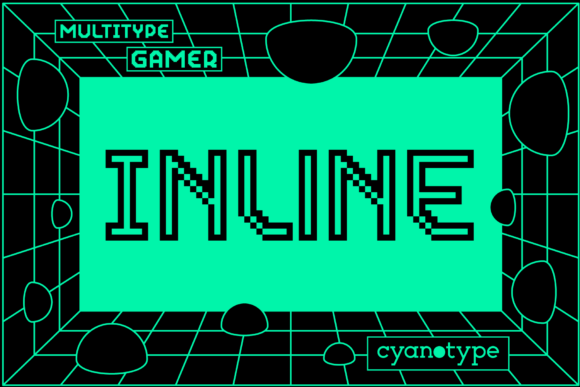
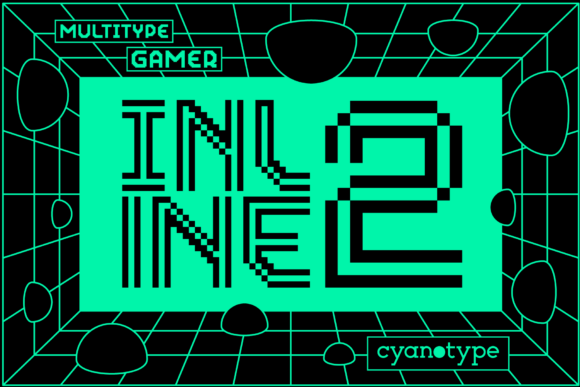
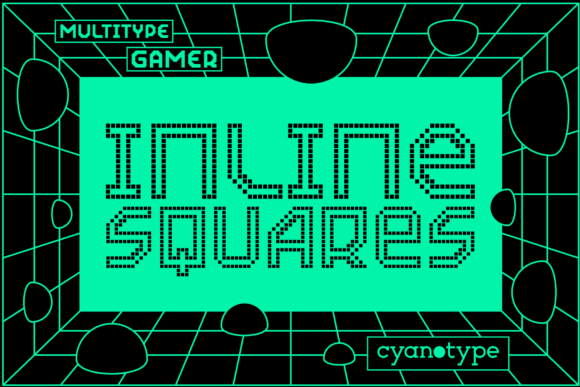
To evaluate any font effectively, one must first understand its structural composition. Gamer Inline Squares is categorized as a display font, meaning it is designed for large sizes rather than body text. Its defining characteristic is its pixelated geometry. Unlike traditional bitmap fonts that strictly adhere to a grid without variation, this typeface introduces a unique "inline" style within the square blocks. The glyphs are constructed from solid, blocky pixels, but they feature internal cutouts or linear details that create a sense of depth and complexity.
This design approach bridges the gap between classic 8-bit nostalgia and contemporary graphic trends. The font retains the rugged, digital authenticity of early video game typography while incorporating a sleeker, more polished finish. For designers working on projects related to esports, gaming hardware, retro-themed events, or cyberpunk aesthetics, Gamer Inline Squares offers immediate visual recognition. It communicates energy, precision, and a digital-native sensibility without requiring additional graphical embellishments.
The Role of PUA Encoding in Accessibility
A critical technical aspect of Gamer Inline Squares is its encoding method. The font utilizes Private Use Area (PUA) encoding. In standard Unicode, characters are mapped to specific code points. However, PUA allows font developers to assign custom glyphs to unused code points within the Unicode range. While this can sometimes present compatibility challenges across different software platforms, it offers significant advantages for creative flexibility.
For users of Gamer Inline Squares, PUA encoding means access to an extensive library of swashes, alternate characters, and decorative elements that would not fit into standard ASCII layouts. Designers can easily swap out standard letters for stylized variants, adding flair to headlines and logos. This feature is particularly valuable in branding, where uniqueness is paramount. By accessing these glyphs directly through the keyboard or font panel, designers can maintain a consistent workflow without needing to manually replace characters in vector editing software. However, it is important to note that when sharing files, the recipient must have the font installed to view these special characters correctly, as they will not render if the font is missing.
Comparative Analysis: Display Fonts vs. Standard Typefaces
When selecting a typeface for a high-impact design, the decision often lies between using a standard geometric sans-serif and opting for a thematic display font like Gamer Inline Squares. Understanding the tradeoffs between these categories is essential for making an informed choice.
- Readability and Hierarchy: Standard sans-serif fonts are optimized for legibility at small sizes. They guide the reader’s eye smoothly through paragraphs. In contrast, Gamer Inline Squares is intentionally disruptive. Its heavy pixelation and inline details demand attention. It is unsuitable for long-form reading but excels in creating visual hierarchy in headers, posters, and social media graphics.
- Brand Personality: Using a neutral font conveys professionalism and neutrality. Using a thematic font like Gamer Inline Squares immediately signals a niche audience. It tells the viewer that the content is playful, energetic, or tech-focused. This specificity can be a strength in targeted marketing but a liability in broad, corporate communications.
- Technical Constraints: Custom display fonts often come with licensing restrictions and installation requirements. While standard system fonts are universally available, specialized fonts require proper embedding in web designs or inclusion in print files. Designers must weigh the aesthetic benefit against the logistical effort required to implement them.
Best-Fit Situations for Gamer Inline Squares
Determining whether Gamer Inline Squares is the right tool for a specific project requires evaluating the context. The font is not a universal solution; it shines in environments where its specific visual language aligns with the message.
Gaming and Esports Branding
The most obvious application for this font is within the gaming industry. Whether designing a tournament bracket, a stream overlay, or merchandise for an esports team, Gamer Inline Squares resonates with the target demographic. The pixelated aesthetic nods to gaming history, while the inline details suggest modern sophistication. It works exceptionally well for logo lockups where the font itself acts as a graphic element.
Retro and Cyberpunk Aesthetics
Beyond gaming, the font fits seamlessly into broader retro-futurism themes. Music festivals celebrating synthwave or electronic dance music, promotional materials for sci-fi films, and event banners for tech conferences all benefit from the font's digital edge. The "trendy touch" mentioned in its description makes it suitable for contemporary designs that want to evoke a sense of nostalgia without looking dated.
Social Media and Digital Marketing
In the fast-paced environment of social media, capturing attention within seconds is crucial. Bold, pixelated fonts stand out in crowded feeds. Gamer Inline Squares can be used for quote cards, announcement posts, and thumbnail overlays. Its high contrast ensures visibility even on smaller mobile screens, provided it is used sparingly as a headline element.
LIMITATIONS AND CONSIDERATIONS
While Gamer Inline Squares offers distinct advantages, it is not without limitations. Designers must be aware of these constraints to avoid misapplication.
- Legibility at Small Sizes: Due to its pixelated nature and complex inline structures, this font becomes difficult to read when scaled down. It should never be used for body copy, footnotes, or dense informational text. Limit its use to titles, subheads, and short phrases.
- Overuse Fatigue: The bold, aggressive nature of the font can become visually exhausting if overused. Effective design relies on contrast. Pairing Gamer Inline Squares with a clean, minimalist sans-serif font can create a balanced composition. The pixel font draws the eye, while the neutral font provides clarity and readability.
- Cross-Platform Consistency: As noted earlier, PUA encoding can lead to rendering issues if the font is not properly embedded in web projects or shared with clients who do not have the font installed. Always provide fallback fonts or convert text to outlines/vector shapes when finalizing deliverables for print or static images.
Decision Factors: Choosing the Right Path
Ultimately, the choice to use Gamer Inline Squares depends on the specific goals of the design project. If the objective is to convey authority, trust, and neutrality in a financial or legal context, this font is likely inappropriate. Conversely, if the goal is to evoke excitement, nostalgia, or technological innovation, it is a strong candidate.
Designers should also consider the versatility of the font family. Does it offer multiple weights? Are there complementary fonts that match its style? A cohesive typographic system enhances professional appeal. If Gamer Inline Squares is part of a larger package that includes matching icons or background textures, it becomes an even more powerful tool for brand identity.
In conclusion, Gamer Inline Squares is a specialized asset for designers working in dynamic, youth-oriented, or tech-centric fields. Its unique blend of pixel art heritage and modern inline detailing offers a distinctive voice that stands out in digital spaces. By understanding its strengths, respecting its limitations, and applying it strategically, designers can leverage this font to create compelling, memorable visuals that resonate with their intended audience.