Belaby: A Bold Display Typeface for Impactful Design
In a digital landscape saturated with clean minimalism and sterile sans-serifs, finding a typeface that commands attention without sacrificing elegance is a genuine challenge. Belaby steps into this space not as a subtle background player, but as a confident, thick-lettered display font designed to be seen. It is the kind of creative font that anchors a composition, providing immediate visual weight and personality. Whether you are crafting a brand identity for a boutique coffee shop or designing social media graphics for a lifestyle influencer, Belaby offers a distinct character that bridges the gap between playful and professional.
This isn’t just another generic script or a rigid geometric sans serif font. Belaby is a premium font built on a foundation of substantial strokes and unique glyph variations. Its visual characteristics suggest a hand-crafted feel, yet it maintains enough structural integrity to remain legible at large sizes. For designers and entrepreneurs alike, understanding how to leverage such a specific typeface can elevate a project from standard to standout. Let’s explore what makes Belaby a valuable addition to your design assets and how you can apply it effectively across various mediums.
The Visual Personality of Belaby
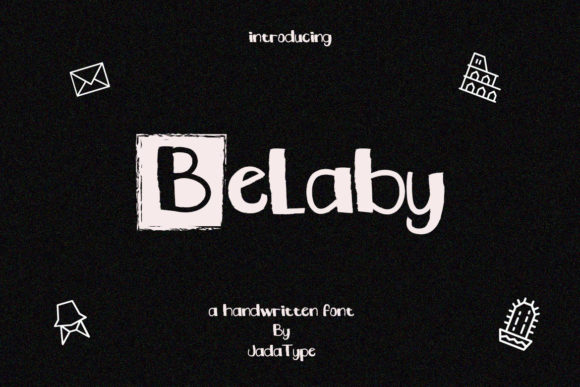
To understand why Belaby works, you first need to look at its form. The font is defined by its thickness. These aren't hairline thin strokes; they are bold, rounded, and inviting. This "thick lettering" style immediately evokes a sense of warmth and approachability, which is often missing in more corporate-looking fonts. It feels modern typography at its most accessible, stripping away unnecessary complexity while retaining high impact.
The aesthetic leans heavily into the handwritten font category, but with a disciplined structure. Unlike messy cursive scripts that can be difficult to read, Belaby maintains a consistent baseline and rhythm. This consistency is crucial for brand identity work, where recognition depends on uniformity. The letters have a soft, almost pillowy quality to them, which softens the message they carry. When used in logo design, for instance, it suggests a brand that is friendly, established, and perhaps a bit indulgent—think artisanal chocolates, cozy home goods, or creative agencies.
Another critical feature of Belaby is its encoding. It is PUA (Private Use Area) encoded. For those unfamiliar with the technical side of design, this might sound intimidating, but it actually simplifies your workflow significantly. PUA encoding allows you to access all the amazing glyphs and ligatures with ease. Instead of hunting through complex OpenType menus or dealing with broken substitutions, you can type directly into your text box and trigger these special characters seamlessly. This means you get the decorative flair of a custom calligraphic set without the headache of manual kerning or layering separate icon files.
Where Belaby Shines: Practical Applications
Not every font fits every project, and knowing where to deploy Belaby is half the battle won. Because it is a display font, it is not intended for long-form body copy. Trying to read a novel or a dense legal contract in Belaby would be an exercise in frustration. However, as a headline or accent font, it excels in environments where quick visual processing is key.
- Packaging Design: If you are designing labels for candles, soaps, or gourmet foods, Belaby provides that shelf-popping quality. The thick letters catch the eye from a distance, and the unique glyphs add a touch of luxury that justifies a premium price point.
- Social Media Graphics: In the fast-scrolling world of Instagram or Pinterest, your content needs to stop the thumb. Belaby’s bold presence ensures your quotes, announcements, or product highlights are readable even on small mobile screens. Pair it with a simple sans serif font for captions to create a balanced hierarchy.
- Editorial Design: Magazine covers, blog headers, and newsletter titles benefit greatly from the authority Belaby conveys. It adds a layer of sophistication that feels curated rather than templated.
- Web Design Headers: While not suitable for navigation bars, Belaby is perfect for hero sections. A large, impactful headline using Belaby can set the tone for an entire website, communicating mood before the user reads a single word of body text.
Consider the psychology of color and shape combined. When Belaby is rendered in deep navy or rich burgundy, it feels traditional and trustworthy. When paired with pastel backgrounds, it feels trendy and youthful. This versatility makes it a powerful tool for marketers looking to adjust their brand voice without changing their core visual elements.
Building Cohesion Through Font Pairing
One of the most common mistakes creators make is letting the display font do all the talking. To maximize the effectiveness of Belaby, you must pair it wisely. The goal is font pairing that creates contrast without chaos. Since Belaby is visually heavy and decorative, it pairs beautifully with minimalist, neutral typefaces.
A classic combination involves pairing Belaby with a clean sans serif font like Helvetica Now, Montserrat, or Lato. The simplicity of the sans serif allows the intricate details of Belaby’s ligatures to take center stage. Conversely, if you want a more editorial look, a refined serif font can work well, provided the serif has low contrast itself. Avoid pairing Belaby with other busy or highly decorative fonts, as this will create visual noise and reduce readability.
When testing these pairings, always print them out or view them on different devices. A font that looks balanced on a 27-inch monitor might become illegible on a smartphone screen. Pay attention to the visual hierarchy. Belaby should typically serve as the H1 or H2 header. Body text should remain in a smaller, lighter weight font to ensure accessibility and comfort for the reader. This distinction helps guide the audience’s eye, ensuring they absorb the main message first before diving into the details.
Evaluating Fit and Commercial Use
Before adding Belaby to your favorite creations, take a moment to evaluate its fit for your specific project. Ask yourself: Does this brand need warmth and boldness, or does it require sharp precision? If your client is a law firm or a medical technology company, Belaby might feel too casual. But for a bakery, a yoga studio, or a creative portfolio, it is likely an ideal match.
It is also vital to review the included styles and licensing terms. As a commercial font, Belaby comes with specific usage rights. Ensure you understand whether the license covers web use, print runs, or merchandise. Many designers overlook this step, leading to legal complications down the line. Most premium fonts offer robust support and documentation, so take advantage of those resources to learn about available weights and stylistic sets.
Finally, consider the longevity of your design choices. Trends come and go, but good typography endures. Belaby’s blend of modern aesthetics and classic boldness gives it a timeless quality. It doesn’t feel tied to a specific year or fleeting trend. By integrating it thoughtfully into your projects, you contribute to a cohesive, professional, and engaging brand experience. Let yourself be amazed by the outcome generated when you allow this distinctive typeface to lead your design narrative. With its easy-to-access glyphs and striking presence, Belaby is ready to bring depth and character to your next big idea.